• Due to the National Independence Day holiday on November 11, all orders placed after November 7 at 10:00 a.m. CEST will be processed starting Wednesday, November 12.
English
Cart

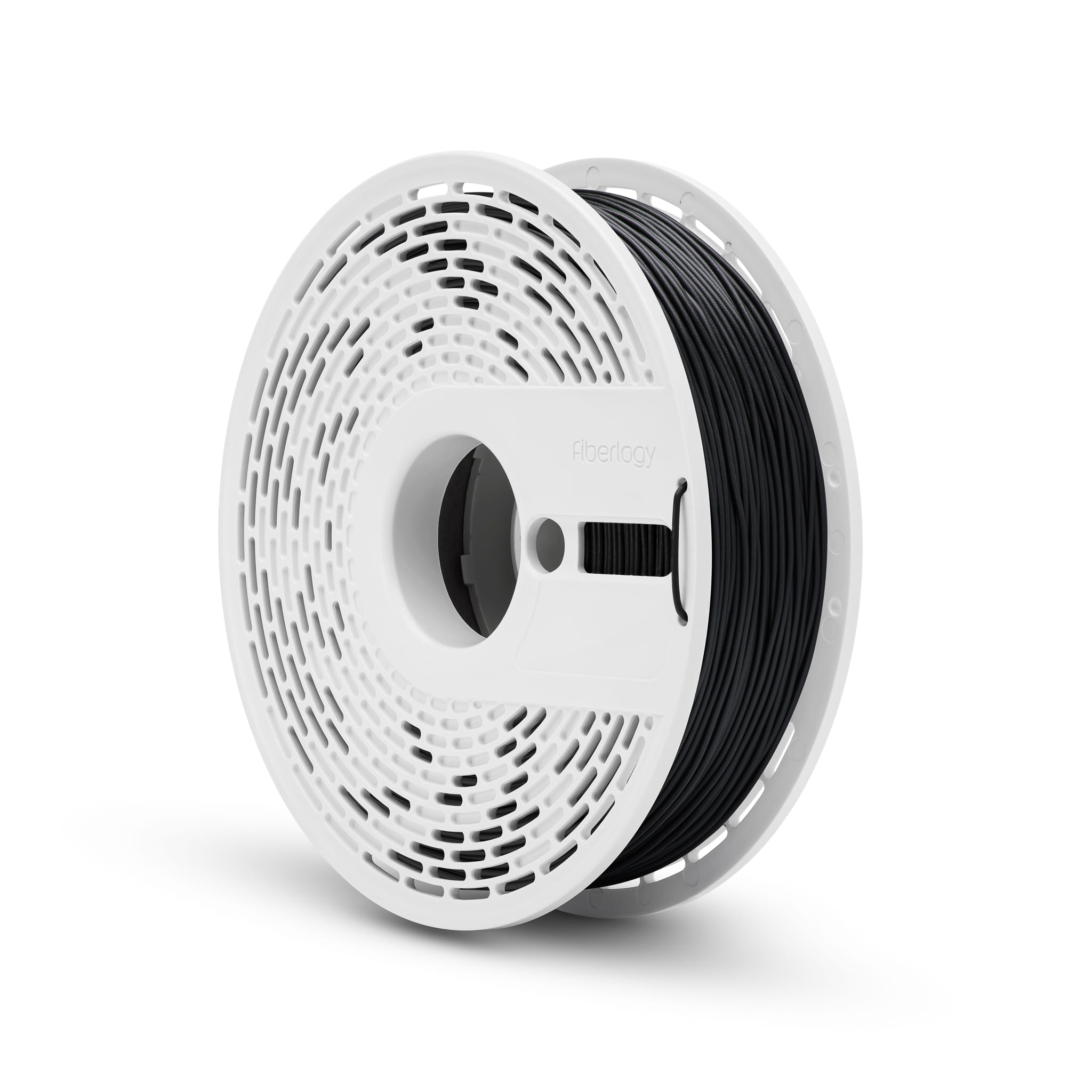
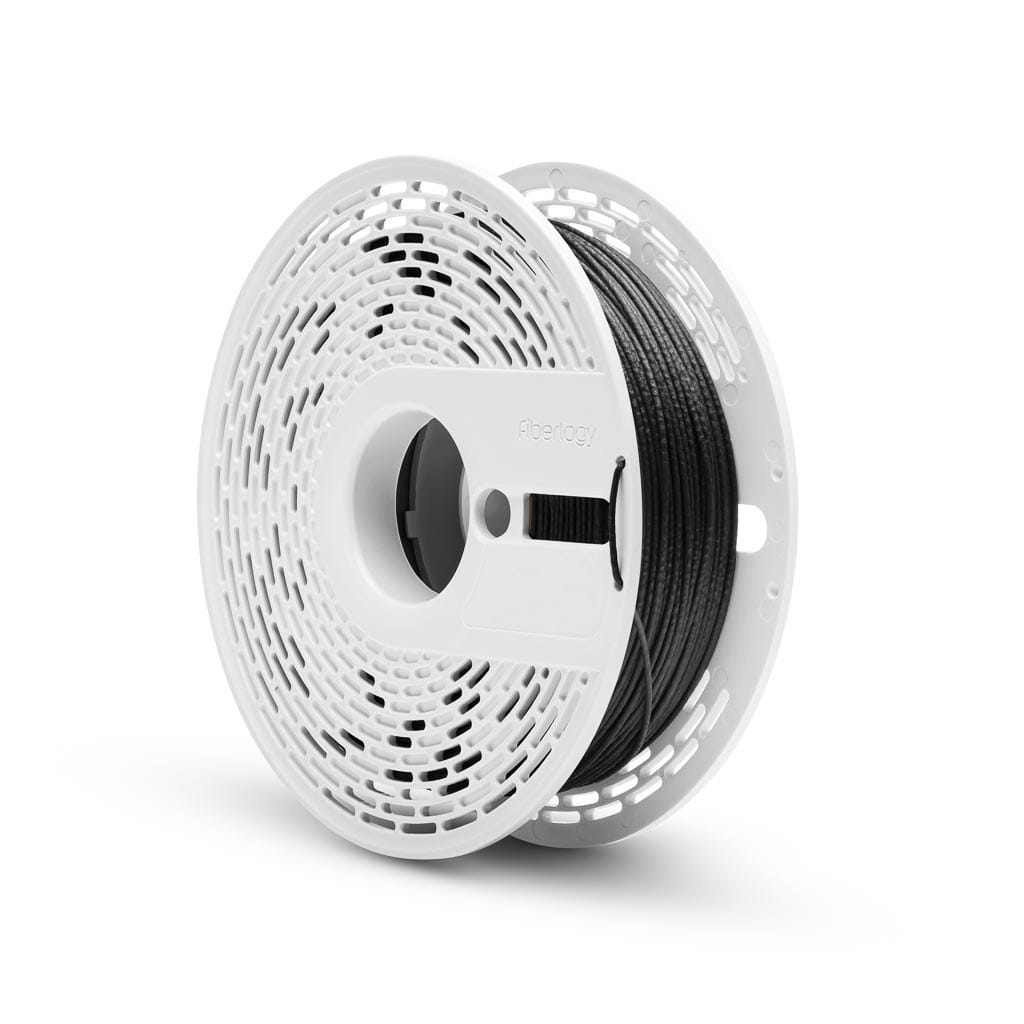
PCTG+CF10 Filament - 1.75 mm - 0.75 kg

Fiberlogy PCTG+CF is a 3D printing filament that combines the versatility of PCTG with the strength of carbon fiber. With a 10% carbon blend, it offers increased stiffness, improved tensile resistance, and precise prints with minimal shrinkage, even on printers without an enclosed chamber. Finished models showcase technical excellence and a carbon-fiber finish, making it ideal for demanding users.

Go to full description
Go to Product feedback

Select product variant

Individual variants may differ in price

Select Black
The presented colors are for reference only and may differ from the actual filament color depending on screen settings.
with VAT without VAT
Price €47.95
incl. 23% VAT

Shipping costs are not included in the price.

Availability:
large quantity
Poziom dostępności produktu
psc
Ask about the product
Share

Product description

Fiberlogy PCTG+CF is an advanced 3D printing filament that combines the versatility of PCTG with a 10% carbon fiber (CF) reinforcement. This blend provides higher stiffness, increased tensile strength, and improved dimensional stability, enabling the creation of durable and precise 3D models.

The addition of carbon fiber significantly increases stiffness compared to standard PCTG, making it an excellent choice for projects that require durability and stability while maintaining relatively low weight.

A key advantage of PCTG+CF is its reduced shrinkage, allowing for highly precise printing even on complex geometries. The filament is also compatible with 3D printers without an enclosed chamber, making it more accessible and versatile than many other technical materials.

Beyond its technical properties, PCTG+CF delivers a unique visual appeal. Its matte, carbon-fiber finish gives prints an elegant and professional look, making them attractive both functionally and visually.

Fiberlogy PCTG+CF is ideal for:

  • Engineering and prototyping – durable test and functional components

  • Automotive and aerospace applications – lightweight yet strong parts

  • Premium hobby prints – projects where both aesthetics and technical performance matter

  • Complex geometries – dimensional stability and minimal shrinkage issues

Fiberlogy PCTG+CF is the perfect choice for engineers, designers, and 3D printing enthusiasts seeking a material that combines high performance, reliability, and modern design.

Recommendations and tips

Print settings

  • Printing temperature 250-270°C
  • Bed temperature 100°C
  • Build surface Smooth PEI + adhesive; Textured PEI; Glass + adhesive
  • Drying conditions 60°C / 4h
  • Enclosure not required
  • Cooling fan 0-25%

Tips and recommendations

  • Nozzle: The material is highly abrasive. A hardened steel or ruby nozzle is required.
  • Handling: Use gloves (micro-damage to the skin may occur). When handling, use a dust mask and safety goggles.
  • Possible bed damage: Due to strong adhesion to the surface, printing directly on the bed or glass is not recommended, as this may cause damage. We recommend using adhesives or masking tape.

RAL/Pantone

To make it easier to choose the right color variant, we provide RAL and Pantone equivalents for filaments wherever possible. The given values are approximate and are intended to reflect the actual filament shade as closely as possible.

Why not HEX?

Providing the color of 3D printing filament in HEX format does not make sense because this notation was created to describe colors displayed on screens (RGB – monitors, TVs, mobile devices). HEX defines a mix of red, green and blue light, meaning a digital color. With filaments, however, we deal with a physical material. The same filament may look different in various photos and HEX cannot accurately represent the actual appearance of the material.

Much better references are color systems used in printing and industry, such as RAL or Pantone, which are based on real samples and allow for comparison of colors in physical reality.

User reviews

Number of ratings: 0
Rate and review