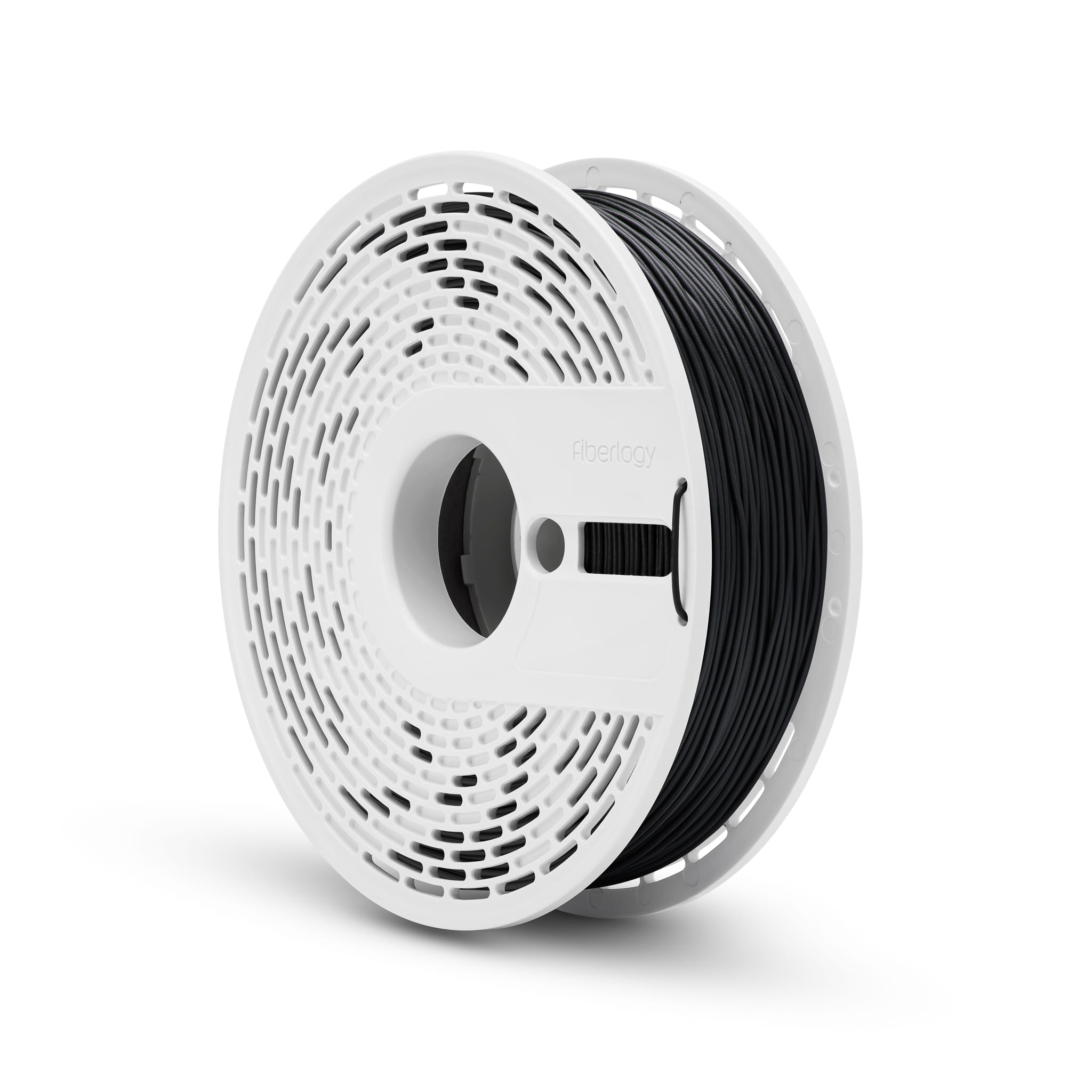
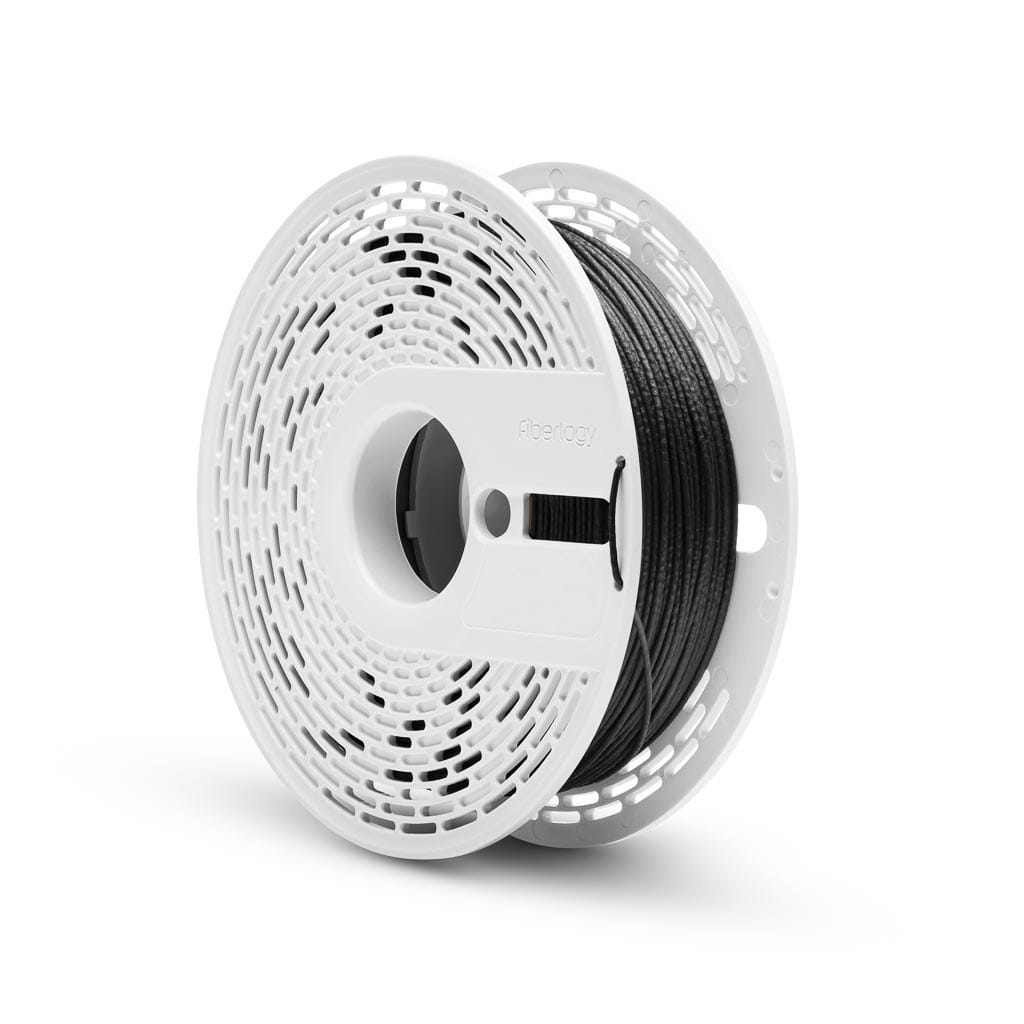
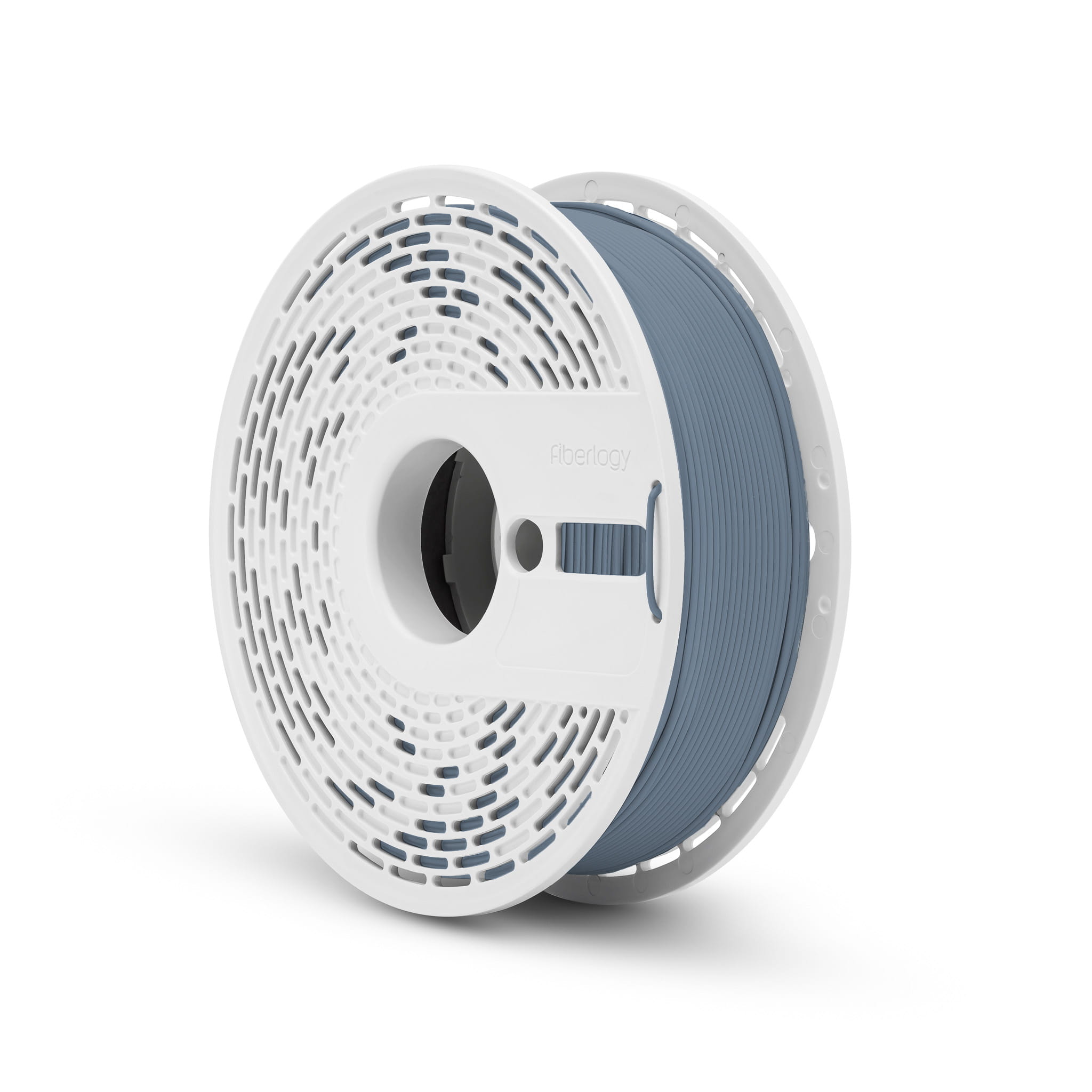
Easy PLA Filament - 1.75 mm - 0.85 kg
EASY PLA is the most popular PLA filament for 3D printing – simple to use and perfect for both beginners and professionals. It enables the creation of high-precision 3D prints without the typical printing issues. Biodegradable, safe, and predictable, it opens the door to more ambitious projects. Available in a wide range of vibrant colors, it is an excellent choice for prototypes, decorations, and functional elements.
Leave feedback on the product
Select product variant
Individual variants may differ in price
Shipping costs are not included in the price.
Ask about the product
Administratorem danych osobowych jest Fiberlab S.A.. Przetwarzamy je w celu przesłania odpowiedzi na zapytanie. Więcej informacji dotyczących przetwarzania danych osobowych znajduje się w polityce prywatności.
Share the product card
Product description
EASY PLA is an exceptionally user-friendly PLA filament for 3D printing, highly popular among both beginners and experienced users. Thanks to its reliability and friendly properties, it enables the creation of very high-quality prints – without complications or frustration.
Regardless of experience level, printing with Fiberlogy EASY PLA encourages users to take on more ambitious and complex 3D projects. It is an excellent material for starting out in the world of FDM printing – allowing beginners to gain valuable experience and providing a solid foundation before moving on to more advanced filaments.
Another important advantage of EASY PLA is its biodegradability – the filament is made from polylactide (lactic acid), which makes it more environmentally friendly.
EASY PLA is available in 1.75 mm diameter and a wide range of colors. Prints made from this material are precise and visually attractive, making them ideal for presentation and sharing within the 3D printing community.
If you are looking for a filament that combines ease of printing, eco-friendliness, and excellent results, EASY PLA is the perfect choice.
Premium Raw Materials
NatureWorks is a US-based company and one of the largest and most renowned producers of biopolymers worldwide, and above all – polylactic acid (PLA). Their flagship product, Ingeo
Recommendations and tips
Print settings
- Printing temperature < 100 mm/s - 200-230°C; > 100 mm/s - 220-240°C
- Bed temperature 60°C
- Build surface Smooth PEI, Textured PEI, Glass
- Drying conditions 50°C / 4h
- Enclosure not required
- Cooling fan 75-100%
Tips and recommendations
- Easy PLA White: Due to the pigment, the suggested minimum printing temperature is 230°C.
- Easy PLA Aurora: Suggested minimum nozzle diameter – 0.5 mm.
- Easy PLA CMYK: Due to spool width, CMYK set filaments are not compatible with the Bambu Lab AMS 2 PRO system.
Color Palette
- White yes
- Black yes
- Gray/Graphite yes
- Red yes
- Orange yes
- Yellow yes
- Green yes
- Blue yes
- Beige/Brown yes
- Pink/Purple yes
- Pastel yes
- Glitter yes
- Skintones yes
- Neon yes
RAL/Pantone
| RAL | Pantone | |
|---|---|---|
| Beige | 2309C | |
| Black | 9004 | |
| Blue | 2203C | |
| Blue | 2203C | |
| Brown | 2322C | |
| Burgundy | 7427C | |
| Candy | 1787C | |
| Cyan | Cyan C | |
| Graphite | Cool Gray 10C | |
| Gray | Cool Gray 4C | |
| Green | 2424C | |
| Inox | 9023 | |
| Irish Green | 6029 | |
| Light Green | 2290C | |
| Magenta | Magenta C | |
| Navy Blue | Dark Blue C | |
| Orange | 1595C | |
| Pastel Blue | 283C | |
| Pastel Lilac | 0631C | |
| Pastel Mint | 0921C | |
| Pastel Pink | 2036C | |
| Pastel Yellow | 2001C | |
| Pink | 226C | |
| Red | 1797C | |
| Red Orange | 485C | |
| SkinTone#1 | 7605C | |
| SkinTone#2 | 720C | |
| SkinTone#3 | 4725C | |
| True Blue | 5017 | |
| White | 9003 | |
| Yellow | 012C |
Why not HEX?
Providing the color of 3D printing filament in HEX format does not make sense because this notation was created to describe colors displayed on screens (RGB – monitors, TVs, mobile devices). HEX defines a mix of red, green and blue light, meaning a digital color. With filaments, however, we deal with a physical material. The same filament may look different in various photos and HEX cannot accurately represent the actual appearance of the material.
Much better references are color systems used in printing and industry, such as RAL or Pantone, which are based on real samples and allow for comparison of colors in physical reality.
User reviews
If you've added a review and it doesn't appear on the list, it may be pending moderation.