We kindly inform you that due to the summer holiday break, online ordering has been temporarily suspended until July 9, 2026. Orders can still be placed directly with our Sales Department at office@fiberlogy.com. Thank you for your understanding.


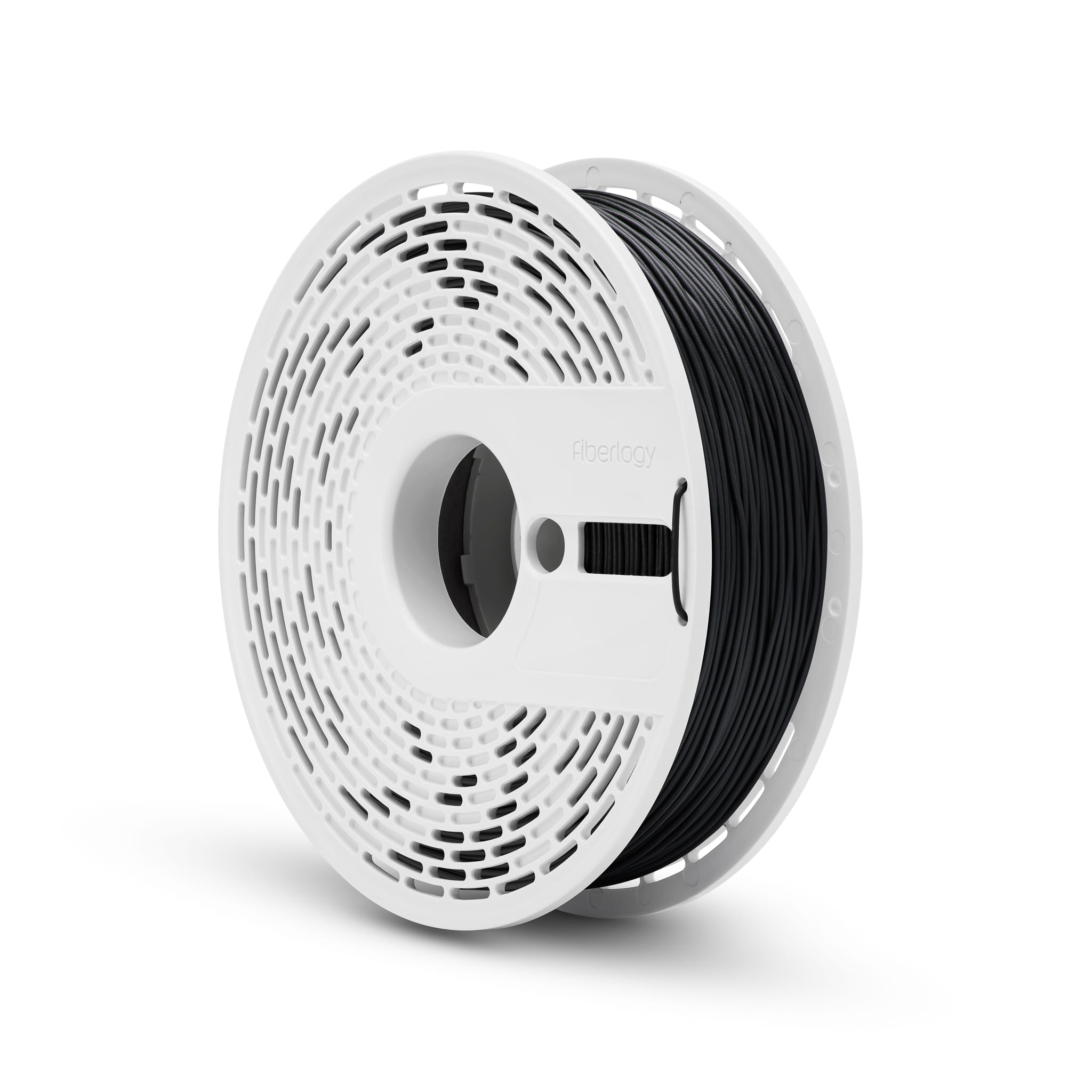
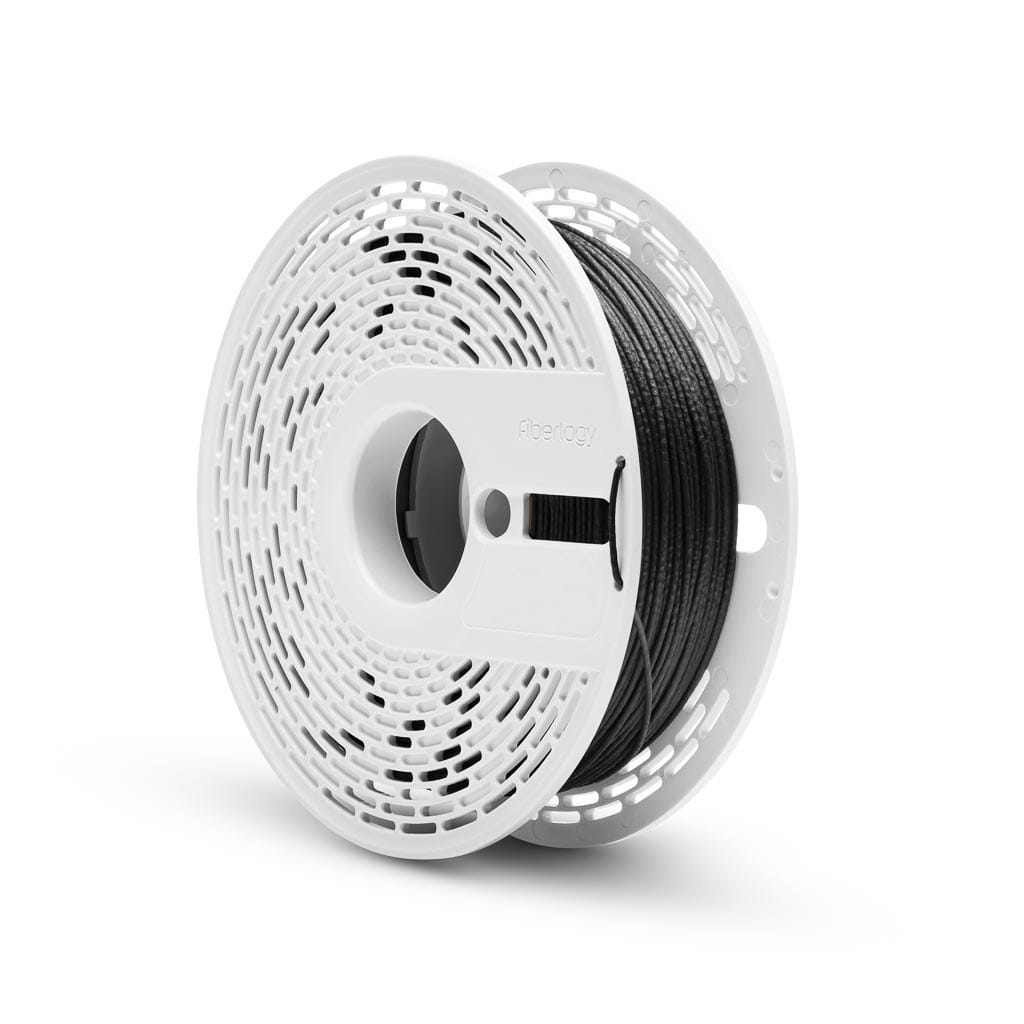


FiberSilk Filament - 1.75 mm - 0.85 kg
Fiberlogy FiberSilk is a 3D printing filament that combines a silky, metallic finish with the ease of printing typical of PLA. It delivers elegant, glossy prints that mask layer lines and highlight every detail of the model. Available in a wide range of vibrant colors, it is ideal for eye-catching decorative and design projects.
Leave feedback on the product

FiberSilk Filament - 1.75 mm - 0.85 kg
Select product variant
Individual variants may differ in price
The presented colors are for reference only and may differ from the actual filament color depending on screen settings.
€24.10
Price
€24.10
without 23% VAT
€28.35 / kg
Regular price:
€24.10
The lowest price during 30 days prior to the reduction:
€30.28
The promotion runs until %s
Shipping costs are not included in the price.
€29.64
Price
€29.64
incl. 23% VAT
€34.87 / kg
Regular price:
€29.64
The lowest price during 30 days prior to the reduction:
€37.25
The promotion runs until %s
Shipping costs are not included in the price.
Ask about the product

FiberSilk Filament - 1.75 mm - 0.85 kg
Administratorem danych osobowych jest Fiberlab S.A.. Przetwarzamy je w celu przesłania odpowiedzi na zapytanie. Więcej informacji dotyczących przetwarzania danych osobowych znajduje się w polityce prywatności.
Share the product card


Product description
Product description
Fiberlogy FiberSilk is a 3D printing filament designed for users seeking a silk effect while maintaining the simplicity of printing typical PLA. The material allows for silky, metallic finishes that enhance the aesthetic of every model, mask layer lines, and give prints an elegant, professional appearance.
FiberSilk features a silky, metallic sheen that brings out the finest details of 3D models. With its high-quality finish, prints look striking and elegant, and the wide range of vibrant colors allows the filament to match any project. The metallic finish also ensures that models appear more uniform and visually expressive.
FiberSilk is as easy to print as traditional PLA – standard PLA settings work seamlessly, allowing for quick and hassle-free high-quality results on any 3D printer. The filament is ideal for both beginners and experienced users who want to achieve a silk effect without complications.
FiberSilk is perfect for projects requiring exceptional aesthetics – figurines, decorative objects, jewelry, designer elements, and artistic 3D creations. The silky shine gives prints a prestigious look that draws attention and highlights details.
Fiberlogy FiberSilk is a filament for 3D printer users who want to combine the ease of PLA printing with an elegant, silky finish and a wide color palette – ideal for artistic, decorative, and designer projects that are meant to impress.

Premium Raw Materials
NatureWorks is a US-based company and one of the largest and most renowned producers of biopolymers worldwide, and above all – polylactic acid (PLA). Their flagship product, Ingeo
Recommendations and tips
Recommendations and tips
Print settings
- Printing temperature 210-230°C
- Bed temperature 60°C
- Build surface Smooth PEI + masking tape or adhesive; Textured PEI + adhesive; Glass + masking tape or adhesive
- Drying conditions 40°C / 4h
- Enclosure not required
- Cooling fan 75-100%
Tips and recommendations
- Possible bed damage: Due to strong adhesion to the surface, printing directly on the bed or glass is not recommended, as this may cause damage. We recommend using adhesives or masking tape.
- Filament swelling: During loading and printing, the extruded material may show swelling. This is a completely natural effect caused by the surface tension of the polymers in the filament.
Properties
- Density 1.22 g/cm³
- Tensile Strength @ Yield 43 MPa (ASTM D882)
- Tensile Strength @ Break 42 MPa (ASTM D882)
- Tensile Modulus 2300 MPa (ASTM D882)
- Elongation @ Yield 5% (ASTM D882)
- Izod Impact Strength (Notched) @ 23℃ 5 kJ/m2 (ISO 180)
- Heat Distortion Temperature @ 0.45 MPa 55°C (ASTM D648)
- Glass Transition Temperature 55°C (DSC)
RAL/Pantone
To make it easier to choose the right color variant, we provide RAL and Pantone equivalents for filaments wherever possible. The given values are approximate and are intended to reflect the actual filament shade as closely as possible.
Why not HEX?
Providing the color of 3D printing filament in HEX format does not make sense because this notation was created to describe colors displayed on screens (RGB – monitors, TVs, mobile devices). HEX defines a mix of red, green and blue light, meaning a digital color. With filaments, however, we deal with a physical material. The same filament may look different in various photos and HEX cannot accurately represent the actual appearance of the material.
Much better references are color systems used in printing and industry, such as RAL or Pantone, which are based on real samples and allow for comparison of colors in physical reality.

Similar products
-
Price €29.64Price €24.10
-
Price €51.78Price €42.10
-
Price €23.12Price €18.80
-
Price €19.56Price €15.90
-
Price €39.48Price €32.10
-
Promotional price €13.69Lowest price: €13.23--3%Price €11.13
-
Promotional price €16.46Lowest price: €19.20-14%Price €13.38


User reviews
User reviews
Number of ratings: 0
If you've added a review and it doesn't appear on the list, it may be pending moderation.
Leave feedback on the product


