Dear Customers, Due to scheduled system upgrades, online ordering through our website has been temporarily suspended. We apologize for any inconvenience.


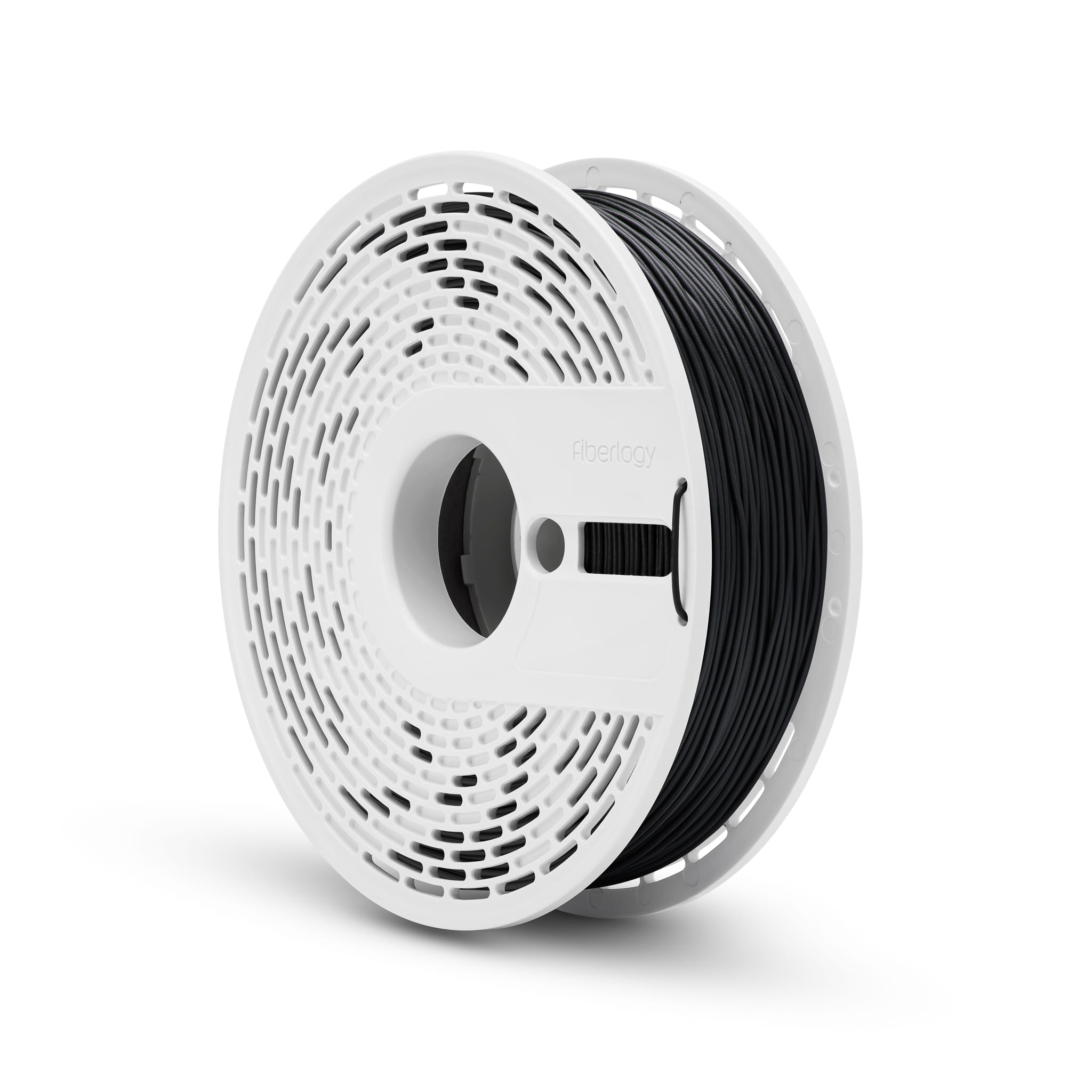
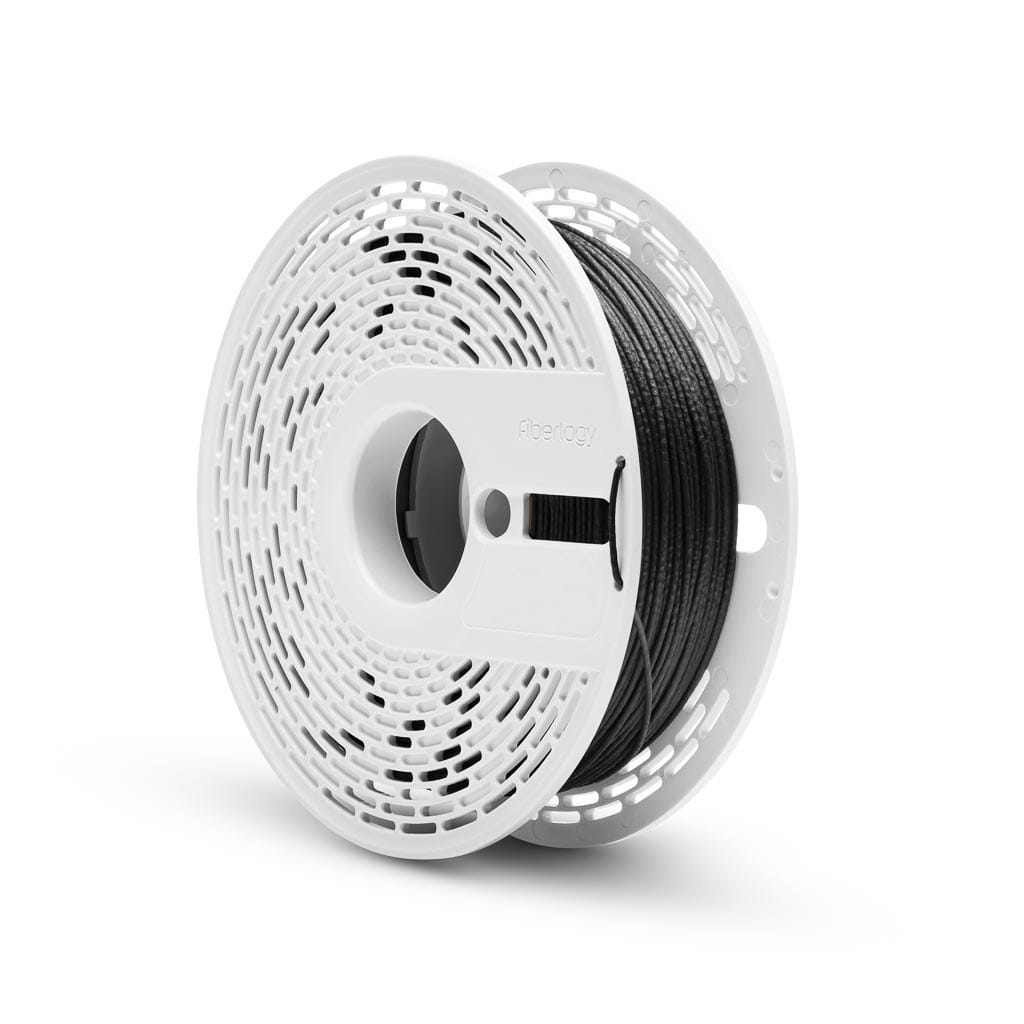


CPE Antibac Filament - 1.75 mm - 0.5 kg
Fiberlogy CPE ANTIBAC is an innovative 3D printing filament with antibacterial properties, made from 100% high-quality polymers. It combines mechanical and thermal resistance with protection against microorganisms thanks to silver nanoparticles. The filament is odorless, free from BPA, BPS, and styrene, and its prints effectively inhibit the growth of bacteria such as E. coli and S. aureus. It is ideal for use in public spaces, laboratories, and clinical accessories.
Leave feedback on the product

CPE Antibac Filament - 1.75 mm - 0.5 kg
Select product variant
Individual variants may differ in price
The presented colors are for reference only and may differ from the actual filament color depending on screen settings.
€44.90
Price
€44.90
without 23% VAT
Regular price:
€44.90
The lowest price during 30 days prior to the reduction:
€46.54
The promotion runs until %s
Shipping costs are not included in the price.
€55.23
Price
€55.23
incl. 23% VAT
Regular price:
€55.23
The lowest price during 30 days prior to the reduction:
€57.25
The promotion runs until %s
Shipping costs are not included in the price.
Cart disabled
Ask about the product

CPE Antibac Filament - 1.75 mm - 0.5 kg
Administratorem danych osobowych jest Fiberlab S.A.. Przetwarzamy je w celu przesłania odpowiedzi na zapytanie. Więcej informacji dotyczących przetwarzania danych osobowych znajduje się w polityce prywatności.
Share the product card


Product description
Product description
Fiberlogy CPE ANTIBAC is a modern 3D printing filament that combines high mechanical and thermal strength with unique antibacterial properties. Thanks to the use of silver nanoparticles, the material effectively inhibits the growth of microorganisms on the surface of prints, as confirmed by microbiological studies. Fiberlogy CPE ANTIBAC demonstrated complete (100%) inhibition of E. coli and over 92% reduction of Staphylococcus aureus in the initial test, while repeated testing showed sustained effectiveness at 100% and 97%.
The CPE ANTIBAC filament is resistant to temperatures up to 110°C, UV radiation, chemicals, and lipids. It is odorless and free from BPA, BPS, and styrene, ensuring safe use. The material surpasses traditional PET-G and PCTG in terms of thermal resistance, while maintaining ease of printing and the aesthetic appearance of prints.
Fiberlogy CPE ANTIBAC enables the creation of durable, safe, and antibacterial 3D prints that are suitable for public spaces, laboratory equipment, clinical accessories, and any application where protection against microorganisms is essential. With its high mechanical and thermal resistance, the filament is suitable for a wide range of projects – from functional parts to more demanding technical structures.
The production process of CPE ANTIBAC is carefully monitored at every stage, ensuring stable filament properties and consistent print quality. This guarantees that every project made with this material combines durability, safety, and antibacterial effectiveness.
Fiberlogy CPE ANTIBAC is the ideal filament for professionals, laboratories, and 3D printing users who seek a safe, durable, and antibacterial material – effective in inhibiting bacterial growth and resistant to demanding operating conditions.
Recommendations and tips
Recommendations and tips
Print settings
- Printing temperature 260-280°C
- Bed temperature 120°C
- Build surface Smooth PEI + adhesive; Textured PEI; Glass + adhesive
- Drying conditions 80°C / 4h
- Enclosure not required
- Cooling fan 0-25%
Tips and recommendations
- Possible bed damage: Due to strong adhesion to the surface, printing directly on the bed or glass is not recommended, as this may cause damage. We recommend using adhesives or masking tape.
Properties
- Density 1.18 g/cm³
- Tensile Strength @ Yield 43 MPa (ISO 527)
- Tensile Strength @ Break 58 MPa (ISO 527)
- Tensile Modulus 1548 MPa (ISO 527)
- Elongation @ Yield 7% (ISO 527)
- Elongation @ Break 185% (ISO 527)
- Flexular Strength 59 MPa (ISO 178)
- Flexular Modulus 1495 MPa (ISO 178)
- Izod Impact Strength (Notched) @ 23℃ 93 kJ/m2 (ISO 180)
- Heat Distortion Temperature @ 0.45 MPa 99°C (ASTM D648)
- Heat Distortion Temperature @ 1.8 MPa 85°C (ASTM D648)
RAL/Pantone
To make it easier to choose the right color variant, we provide RAL and Pantone equivalents for filaments wherever possible. The given values are approximate and are intended to reflect the actual filament shade as closely as possible.
Why not HEX?
Providing the color of 3D printing filament in HEX format does not make sense because this notation was created to describe colors displayed on screens (RGB – monitors, TVs, mobile devices). HEX defines a mix of red, green and blue light, meaning a digital color. With filaments, however, we deal with a physical material. The same filament may look different in various photos and HEX cannot accurately represent the actual appearance of the material.
Much better references are color systems used in printing and industry, such as RAL or Pantone, which are based on real samples and allow for comparison of colors in physical reality.

Similar products
-
Price €41.94Price €34.10
-
Price €19.56Price €15.90
-
Price €26.32Price €21.40


User reviews
User reviews
Number of ratings: 0
If you've added a review and it doesn't appear on the list, it may be pending moderation.
Leave feedback on the product


