We kindly inform you that due to the holiday and New Year break, orders placed after 12:00 PM (CEST) on December 19, 2025 will be processed starting January 2, 2026, in the order in which they are received.

Thank you for your understanding and we wish you happy holidays and a happy New Year.
English
Products in the cart: 0. See details

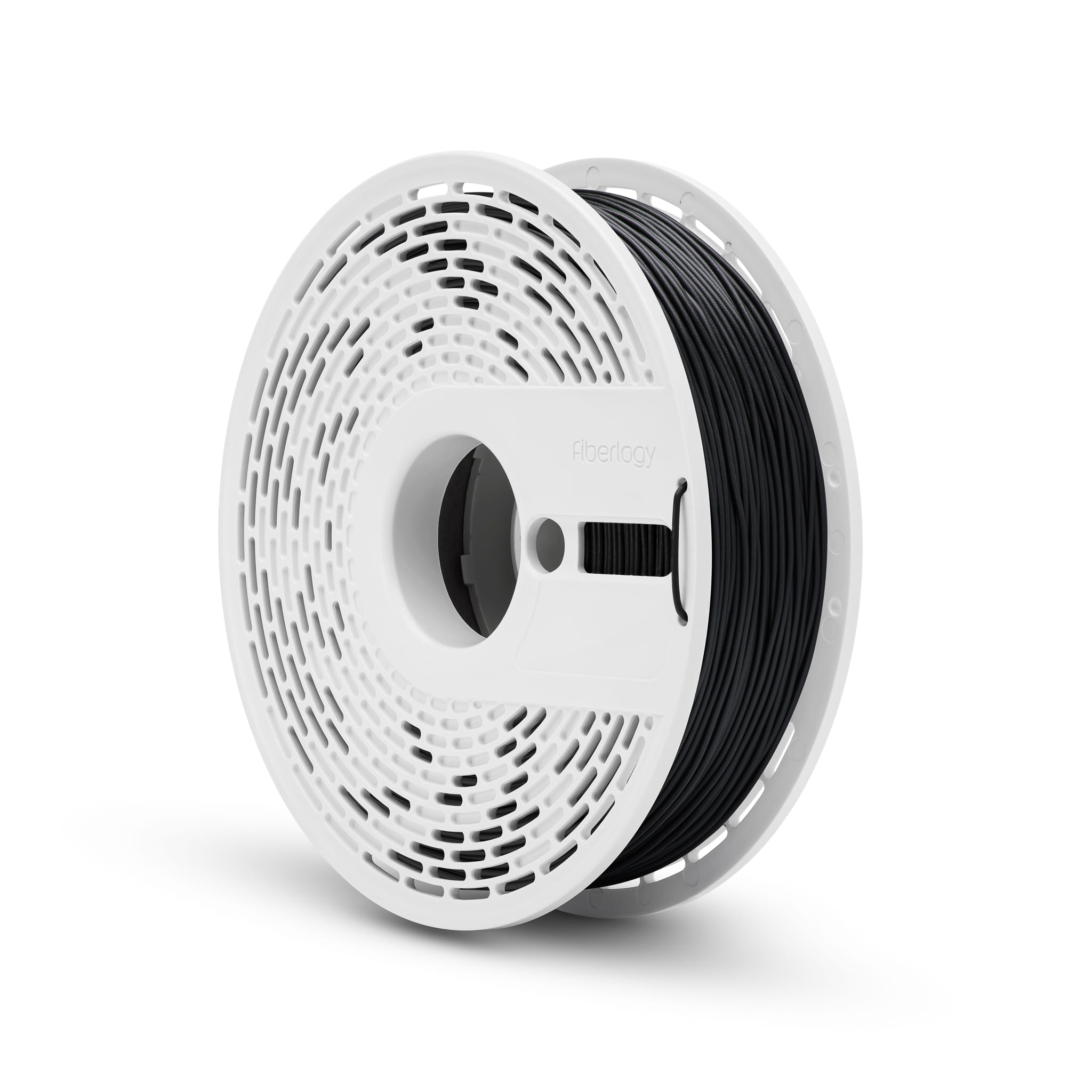
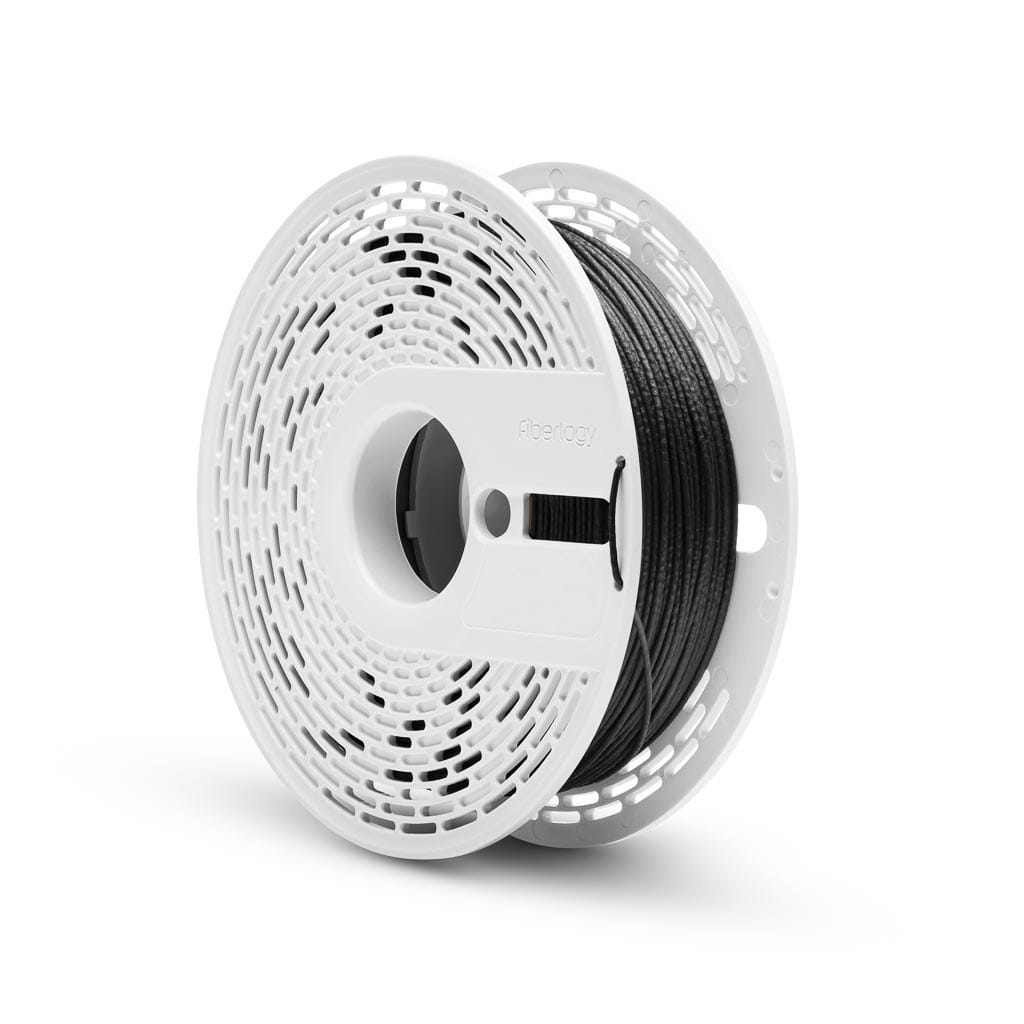
PCTG Filament - 1.75 mm Refill - 0.75 kg

Fiberlogy PCTG is a modern 3D printing filament and the best alternative to PET-G. It offers higher impact resistance, improved heat resistance, and crystal-clear transparency while maintaining easy printability and low shrinkage. Perfect for durable, functional, and aesthetic prints, even on home 3D printers.

Go to full description
Go to Product feedback

Select product variant

Individual variants may differ in price

Select Black Graphite White Pure Transparent
The presented colors are for reference only and may differ from the actual filament color depending on screen settings.
with VAT without VAT
Price €22.63
incl. 23% VAT
€30.17 / kg

Shipping costs are not included in the price.

psc
add to compare
Ask about the product
Share

Product description

REFILL - an eco-friendly and economical solution

REFILL
is a spool-less filament insert that you can easily mount on the reusable Fiberlogy spool. This solution helps you reduce waste, lower shipping costs, and support the zero waste idea. Refill maintains all the properties of standard filaments.

Assembly is simple:
open the spool, place the Refill, close it, and cut the straps. Your spool is ready to print.Fiberlogy Refill Filament


Fiberlogy PCTG is a polyester-family filament that combines the easy printability of PET-G with premium-grade technical properties. Compared to its popular counterpart, PCTG offers significantly higher impact strength, greater heat resistance, and exceptional clarity, making it an excellent choice for both home users and professionals.

In impact tests, PCTG reaches about 90 kJ/m

Recommendations and tips

Print settings

  • Printing temperature 250-270°C
  • Bed temperature 90°C
  • Build surface Smooth PEI + adhesive; Textured PEI; Glass + adhesive
  • Drying conditions 60°C / 4h
  • Enclosure not required
  • Cooling fan 0-25%

Tips and recommendations

  • Possible bed damage: Due to strong adhesion to the surface, printing directly on the bed or glass is not recommended, as this may cause damage. We recommend using adhesives or masking tape.

Properties

  • Density 1.23 g/cm³
  • Tensile Strength @ Yield 43 MPa (ISO 527)
  • Tensile Strength @ Break 45 MPa (ISO 527)
  • Elongation @ Yield 4% (ISO 527)
  • Elongation @ Break 220% (ISO 527)
  • Flexular Strength 60 MPa (ISO 178)
  • Flexular Modulus 1600 MPa (ISO 178)
  • Izod Impact Strength (Notched) @ 23℃ 92 kJ/m2 (ISO 180)
  • Heat Distortion Temperature @ 0.45 MPa 76°C (ISO 75)
  • Heat Distortion Temperature @ 1.8 MPa 64°C (ISO 75)

RAL/Pantone

To make it easier to choose the right color variant, we provide RAL and Pantone equivalents for filaments wherever possible. The given values are approximate and are intended to reflect the actual filament shade as closely as possible.

Why not HEX?

Providing the color of 3D printing filament in HEX format does not make sense because this notation was created to describe colors displayed on screens (RGB – monitors, TVs, mobile devices). HEX defines a mix of red, green and blue light, meaning a digital color. With filaments, however, we deal with a physical material. The same filament may look different in various photos and HEX cannot accurately represent the actual appearance of the material.

Much better references are color systems used in printing and industry, such as RAL or Pantone, which are based on real samples and allow for comparison of colors in physical reality.

User reviews

Number of ratings: 0
Rate and review