

Filament and Moisture

Because the polymers used in 3D printing exhibit varying degrees of hygroscopicity—that is, the ability to absorb moisture from the environment—print quality may deteriorate over time. Improper storage of the filament accelerates this process.
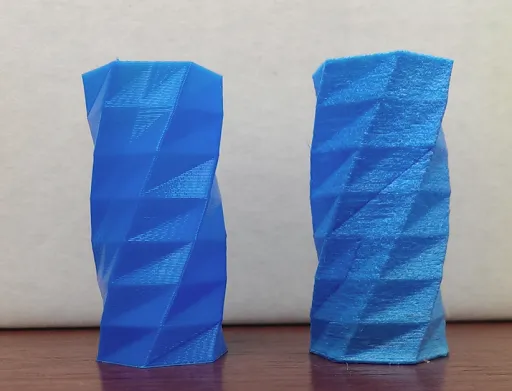
How can you tell if the filament has become damp?
- hissing and crackling of the filament as it is extruded from the nozzle;
- reduced adhesion between layers;
- a deterioration in the mechanical properties of the finished prints;
- a deterioration in the visual appearance of the printed surface.
Where should I dry 3D printing filament?
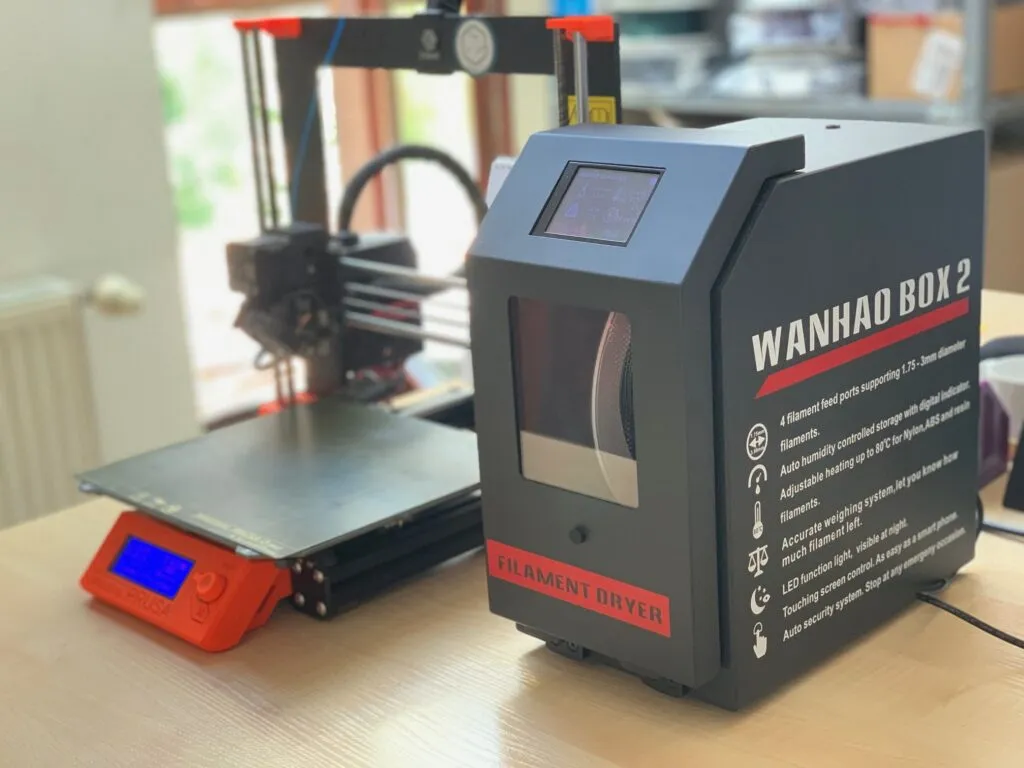
Filament dryer – professional filament dryers are very useful when working with materials that tend to absorb moisture from the environment, and the investment can quickly pay for itself.
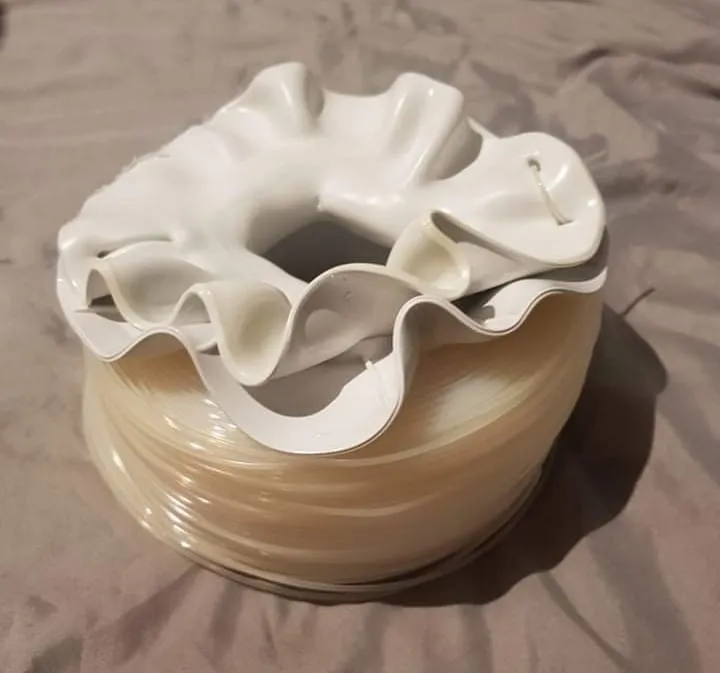
Oven – A home oven works very well as a filament dryer. However, when using it for this purpose, you must be very careful about temperature fluctuations and make sure to set the appliance correctly so that it doesn’t accidentally set to 160°C instead of, say, 60°C. Another important consideration is whether to dry the polymer in an appliance intended for food use—in other words, whether you want your printed object to have a “subtle hint” of nylon or ABS.
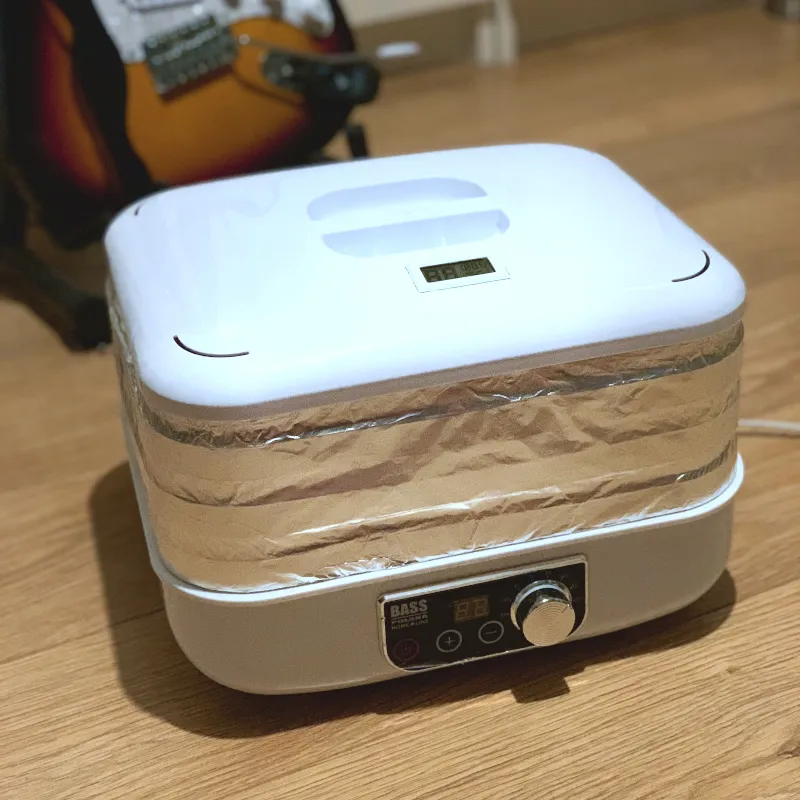
Fruit and Vegetable Dehydrator – With a few minor modifications, popular home food dehydrators can very effectively replace their professional and expensive counterparts.
Filament Temperatures and Drying Times
- PLA, FiberWood: 50°C / 4 hours
- ABS: 60°C / 4 hours
- ASA, PA12+CF15, PA12+GF15: 80°C / 4 hours
- BVOH: 50°C / 4 hours
- PET-G, CPE HT, PCTG: 60°C / 4 hours
- FiberSatin, FiberSilk: 40°C / 4 hours
- PA12: 70°C / 4 hours
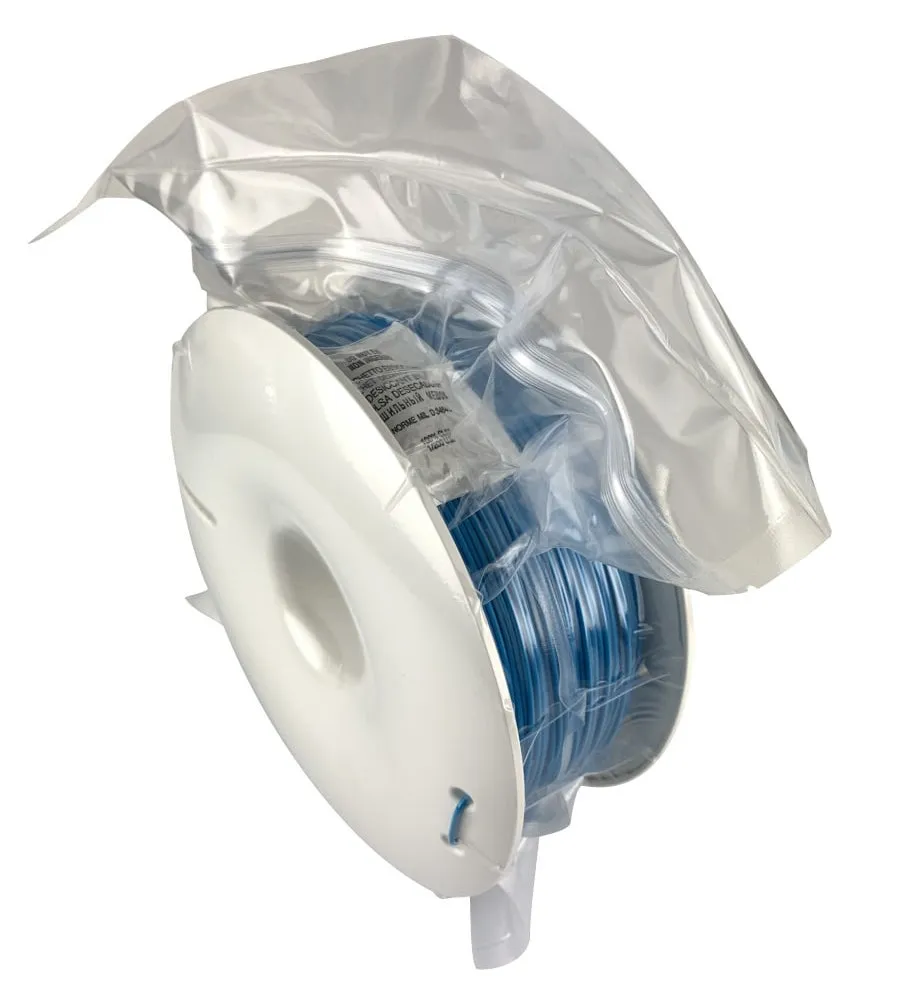
How should I store filament to keep it dry?
Fiberlogy filament is supplied in a resealable bag along with a desiccant. We recommend storing the filament in this bag after each use. Materials such as nylon should be printed directly from a dryer or a tightly sealed container.