


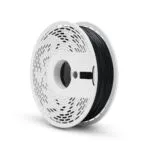
FiberFlex 30D Filament – S2
Price range: 124.00 PLN through 199.00 PLN gross
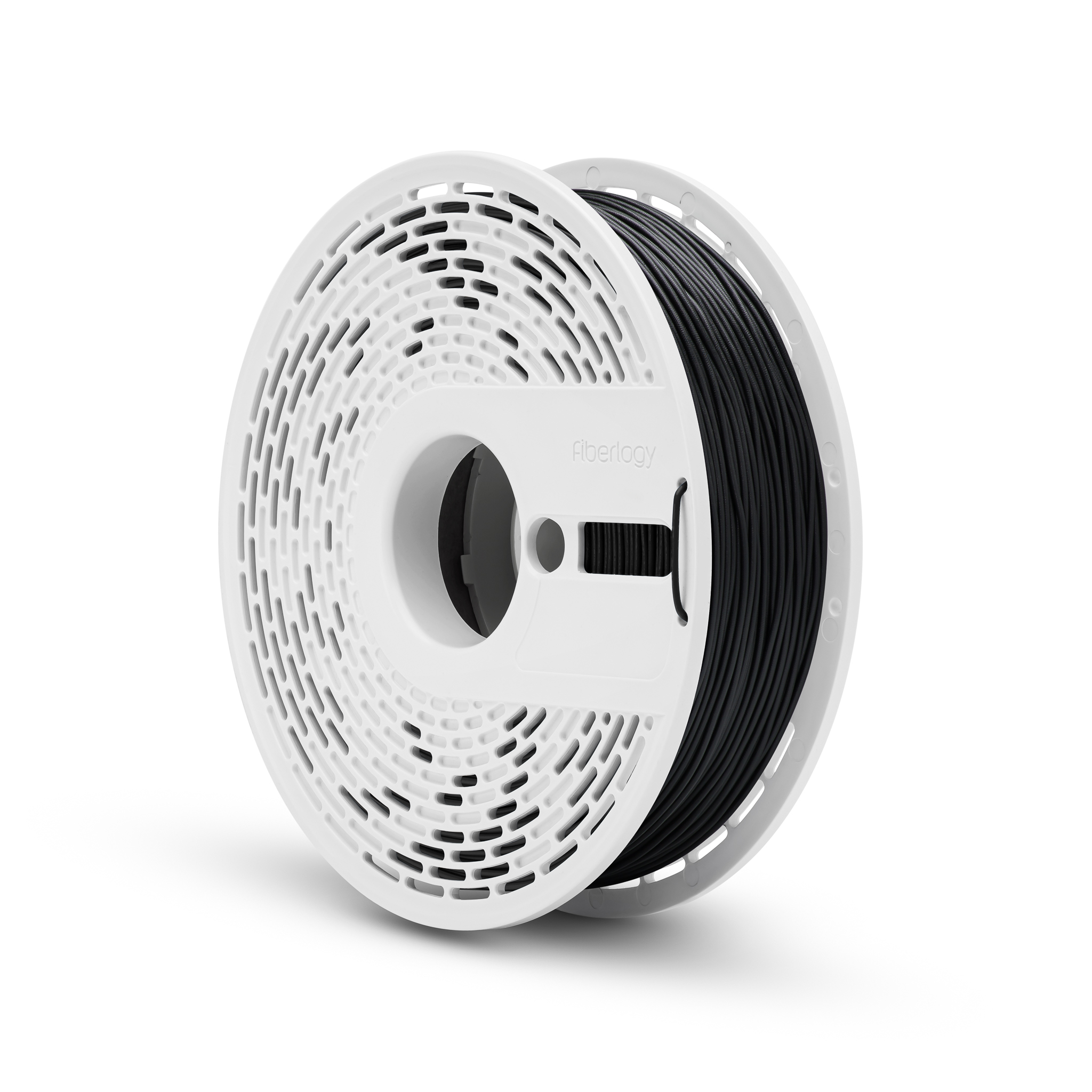
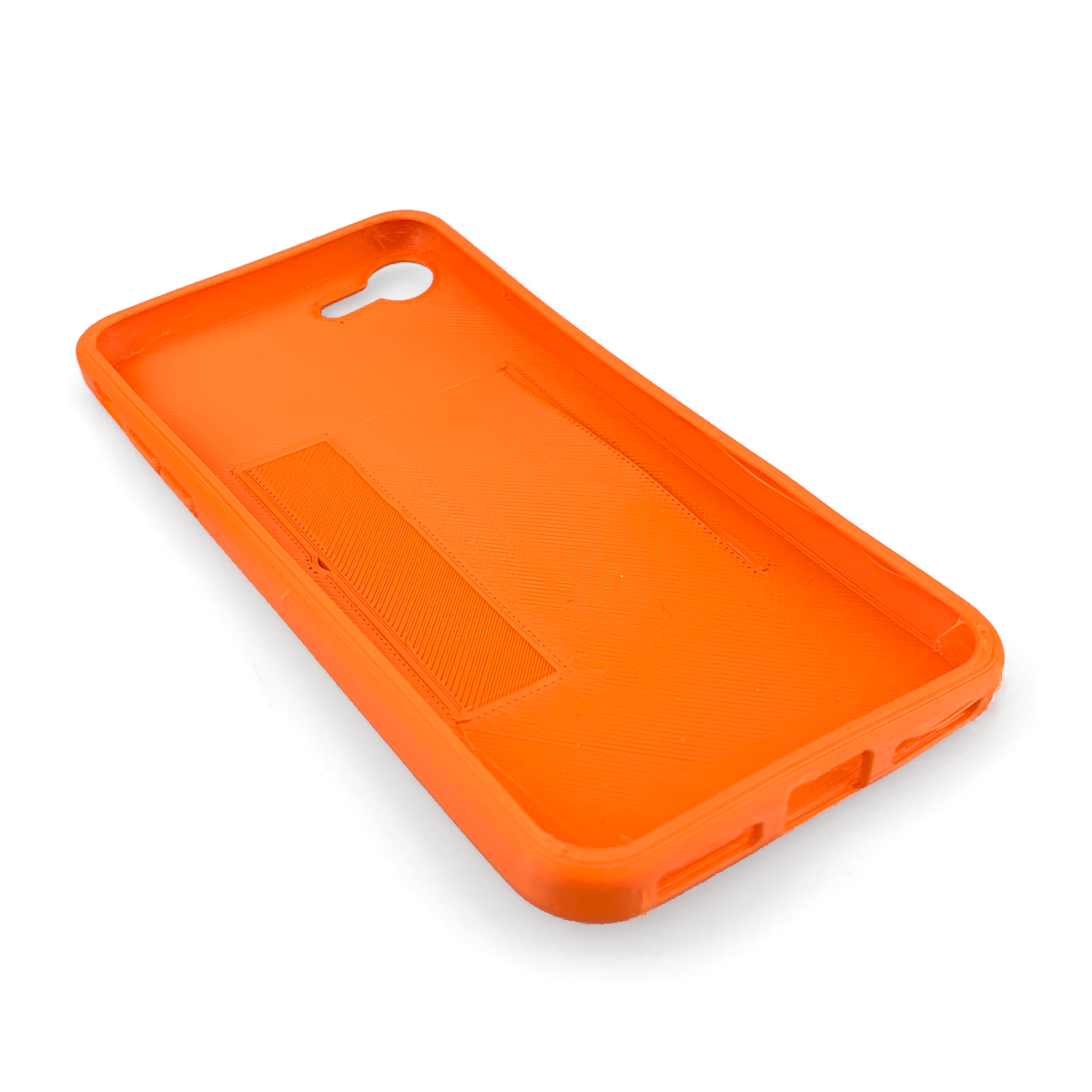
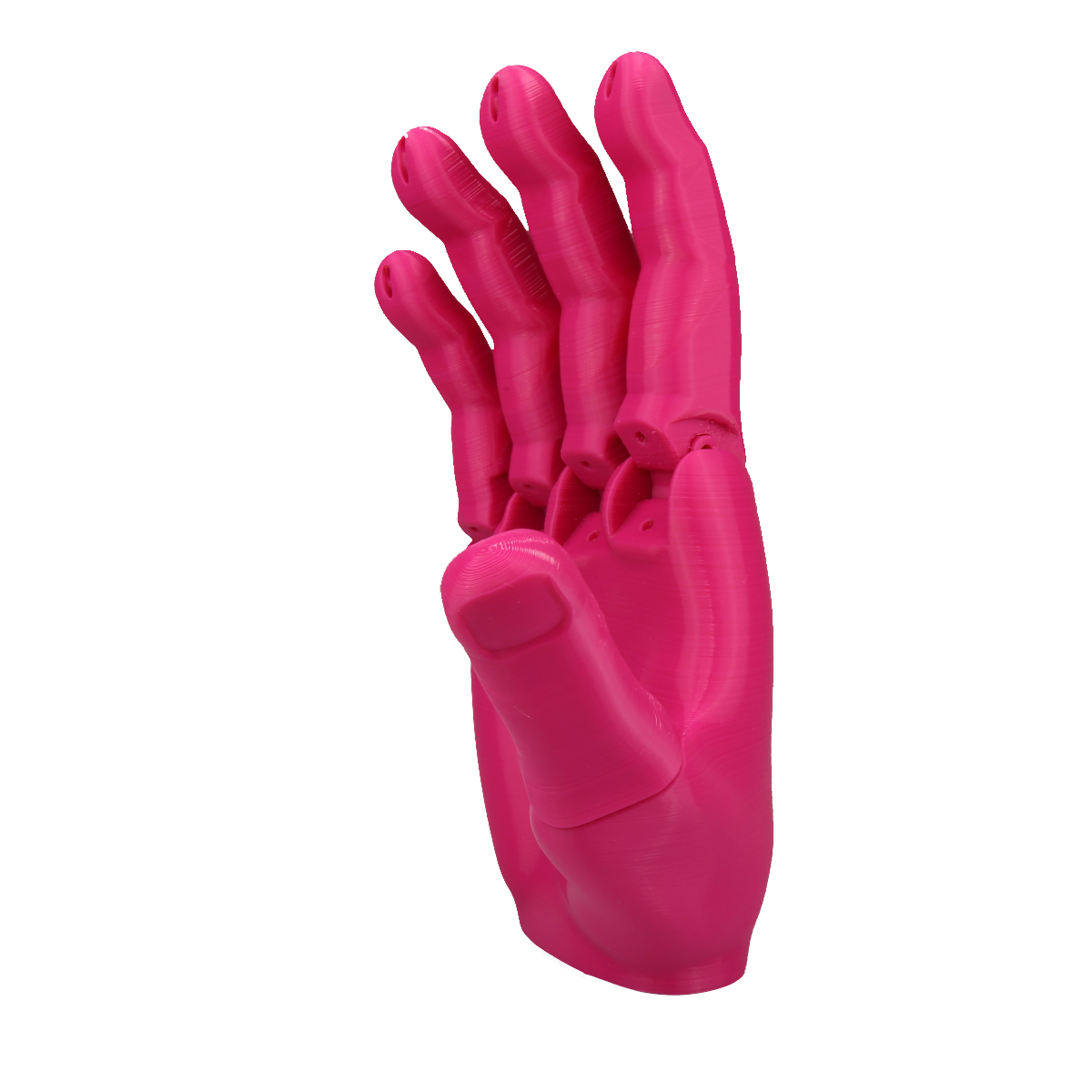
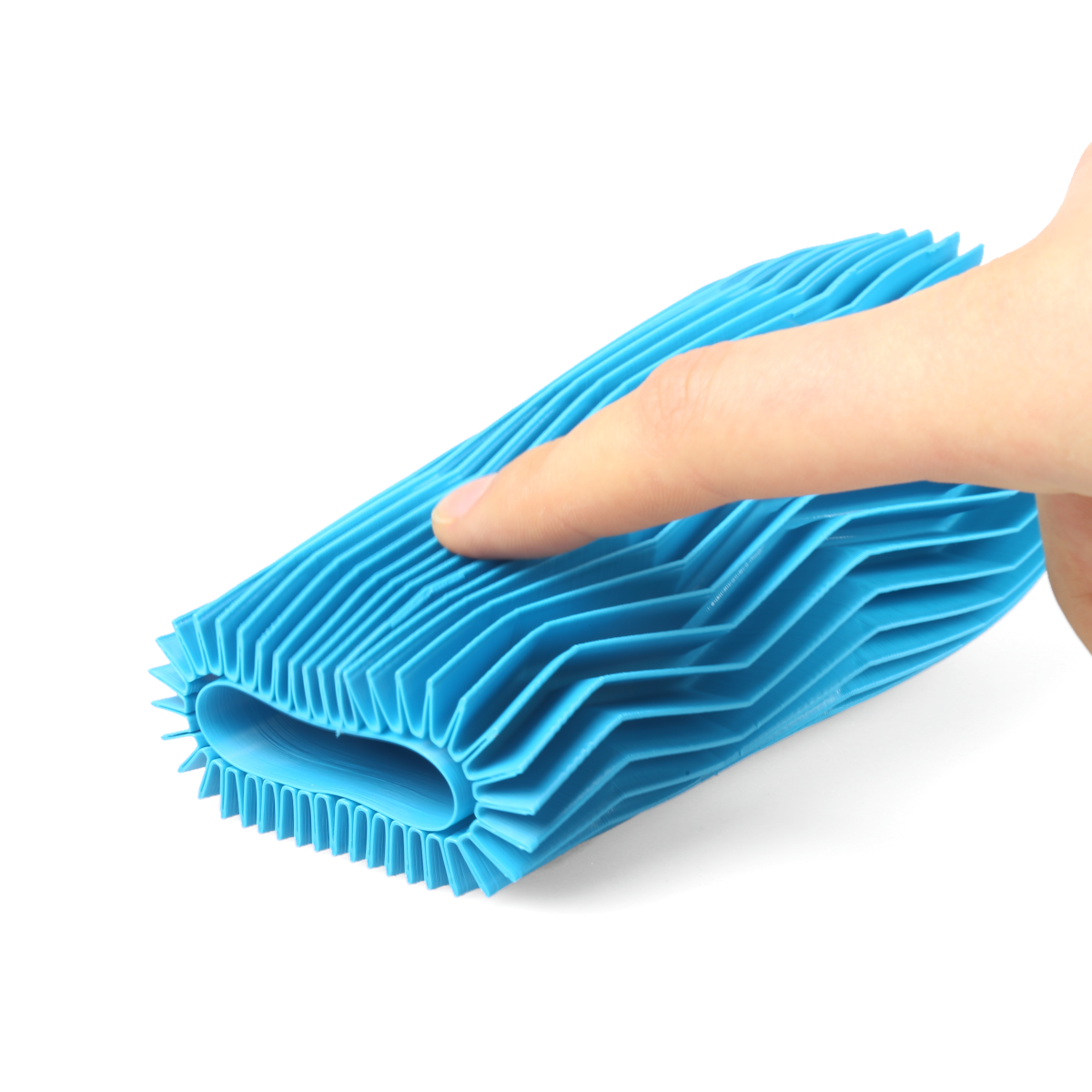
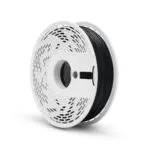
FiberFlex 30D is a flexible TPU filament with a reduced Shore hardness of 30D, ideal for 3D printing that requires rubber-like materials. It is excellent for prints that must withstand bending, compression, and tension. It requires a printer with a direct extruder and some experience, so it is recommended for more advanced users. It works well for flexible, durable projects.
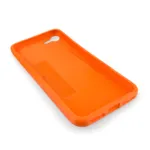
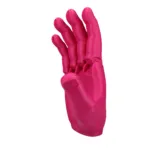
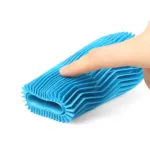
FiberFlex 30D is a flexible TPU filament with a Shore hardness of 30D, designed for users who need a very soft, rubber-like material for 3D printing. Thanks to its exceptional flexibility, it is perfect for creating prints that are resistant to bending, crushing, and stretching, making it an excellent choice for applications requiring high mechanical strength and flexibility.
However, printing with FiberFlex 30D filament requires some experience and a printer equipped with a direct-drive extruder, due to the material’s softness, which can cause challenges during filament feeding. It is recommended to reduce the print speed and lower the extruder pressure to ensure a stable, high-quality print.
FiberFlex 30D is designed for more advanced users who want to use flexible TPU materials for complex projects. If you’re looking for filaments with slightly higher hardness, you may also want to check out FiberFlex 40D and Fiberlogy MattFlex 40D, which offer a slightly stiffer and matte finish.
NOTE
: FiberFlex 30D may release a small amount of powder during printing; this is a natural characteristic of the material and does not constitute a product defect. This phenomenon does not affect the quality of the filament or the printing process itself. If you notice a significant amount of powder buildup, we recommend periodically cleaning the printer components, as this buildup can, over time, interfere with the proper feeding of filament into the extruder.
-
30D on the Shore scale
A Shore hardness of 30D provides noticeable flexibility and a soft-to-the-touch surface.
-
High impact strength at low temperatures
High impact resistance is maintained even at low temperatures, so the print won't crack when struck in cold weather.
-
Very good thermal resistance
The material retains its shape and strength even when exposed to heat.
-
High chemical resistance
Its chemical resistance makes the material suitable for use in industrial environments.
Printing Parameters
- Printing temperature: 200–220°C
- Bed temperature: 70°C
- Bed: Smooth PEI + masking tape or adhesive; Textured PEI + adhesive; Glass + masking tape or adhesive
- Curing conditions: 60°C / 4 hours
- Enclosed chamber: not required
- Airflow: 50–75%
- Maximum recommended print speed: <35 mm/s
Technical Specifications
- Density: 1.07 g/cm³
- Heat deflection temperature under load @ 0.45 MPa: 70°C (ASTM D648)
- Tensile strength at break: 22 MPa (ASTM D638)
- Elongation at break: 870% (ASTM D638)
-
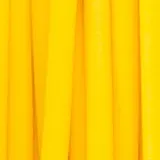 Yellow
 -
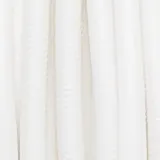 White
White -
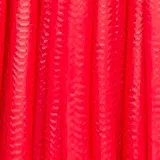 Red
Red -
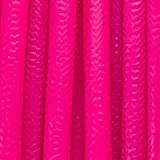 Pink
Pink -
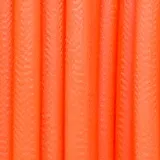 Orange
 -
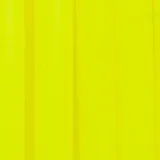 Neon Yellow
 -
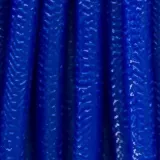 Navy Blue
 -
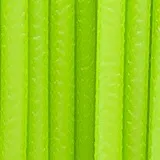 Light Green
 -
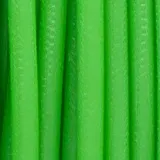 Green
Green -
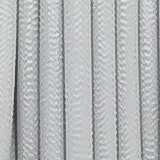 Gray
Gray -
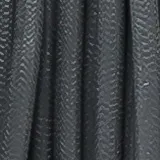 Graphite
 -
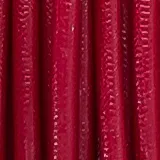 Burgundy
 -
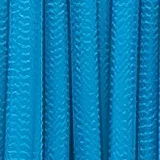 Blue
Blue -
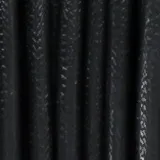 Black
Black -
 Beige
Beige

Reviews
There are no reviews yet.