


ABS Filament – S2
Price range: 54.90 PLN through 209.00 PLN gross
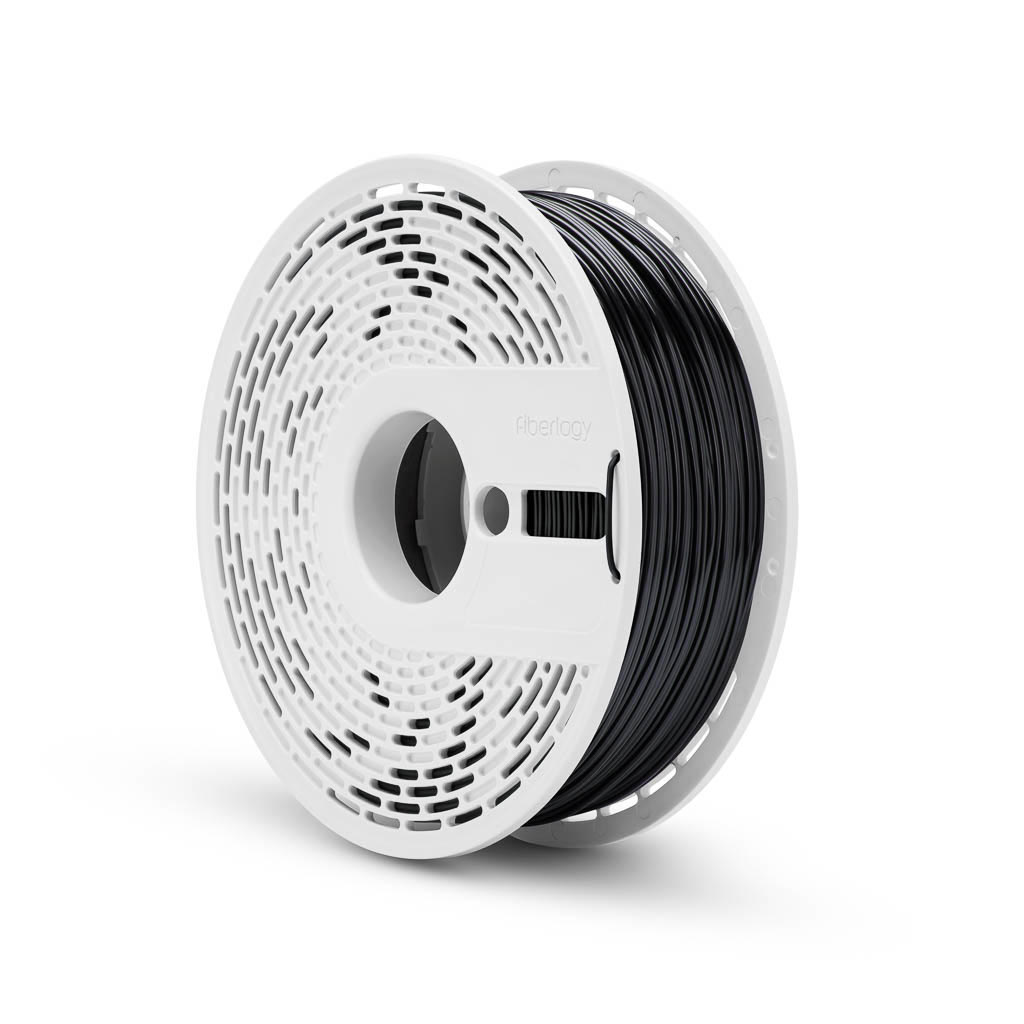
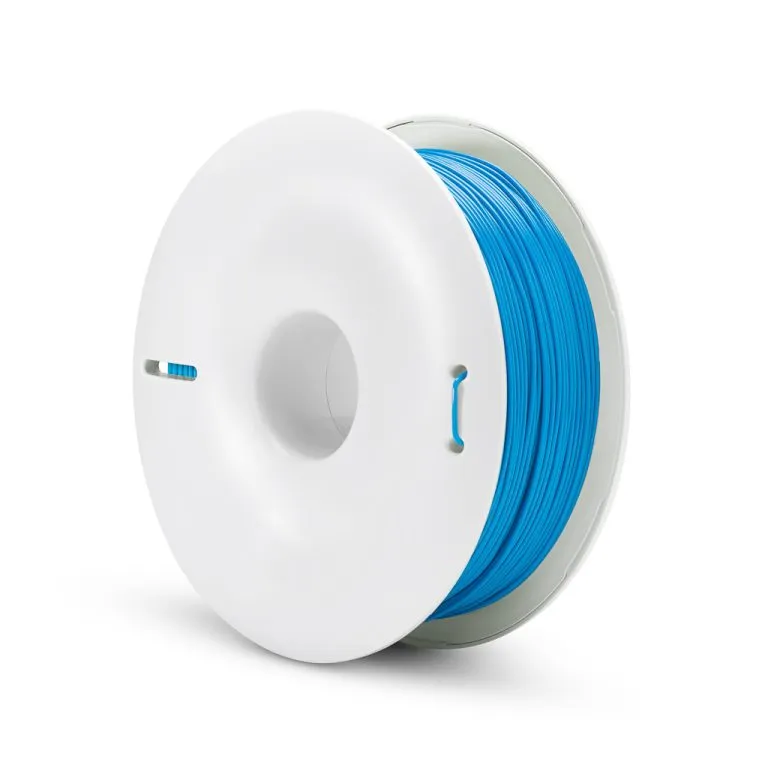
ABS is a durable 3D printing filament with high hardness, impact strength, and resistance to high temperatures and scratches. It is ideal for prototyping rigid parts, concept models, and final product versions. It is valued by designers and engineers for its durability and wide range of applications.
Fiberlogy ABS (acrylonitrile-butadiene-styrene) is one of the most popular engineering materials in 3D printing, valued for its high mechanical strength, hardness, and impact resistance. Thanks to its properties, ABS filament enables the creation of prints that are resistant to high temperatures and scratches, which significantly expands its range of applications.
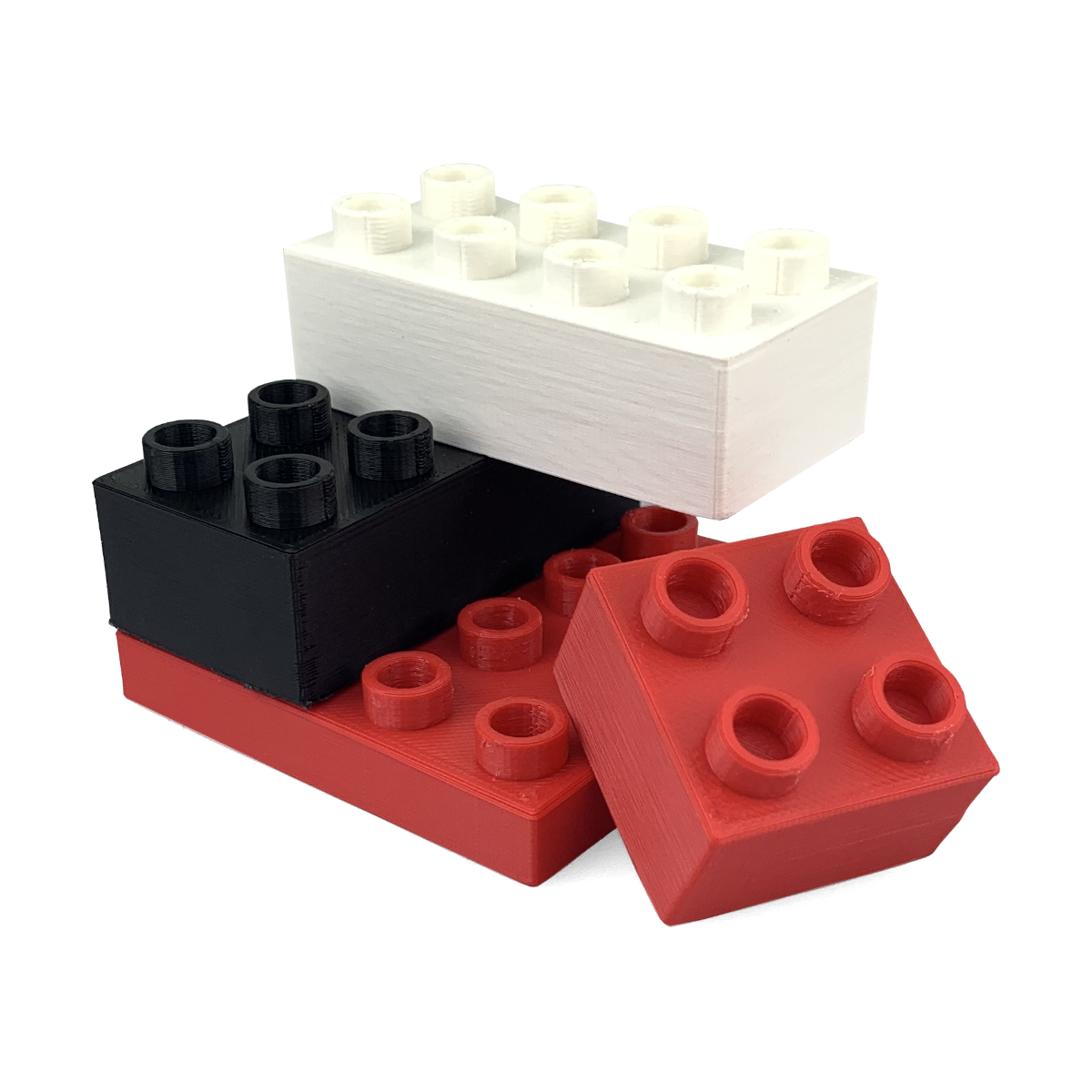
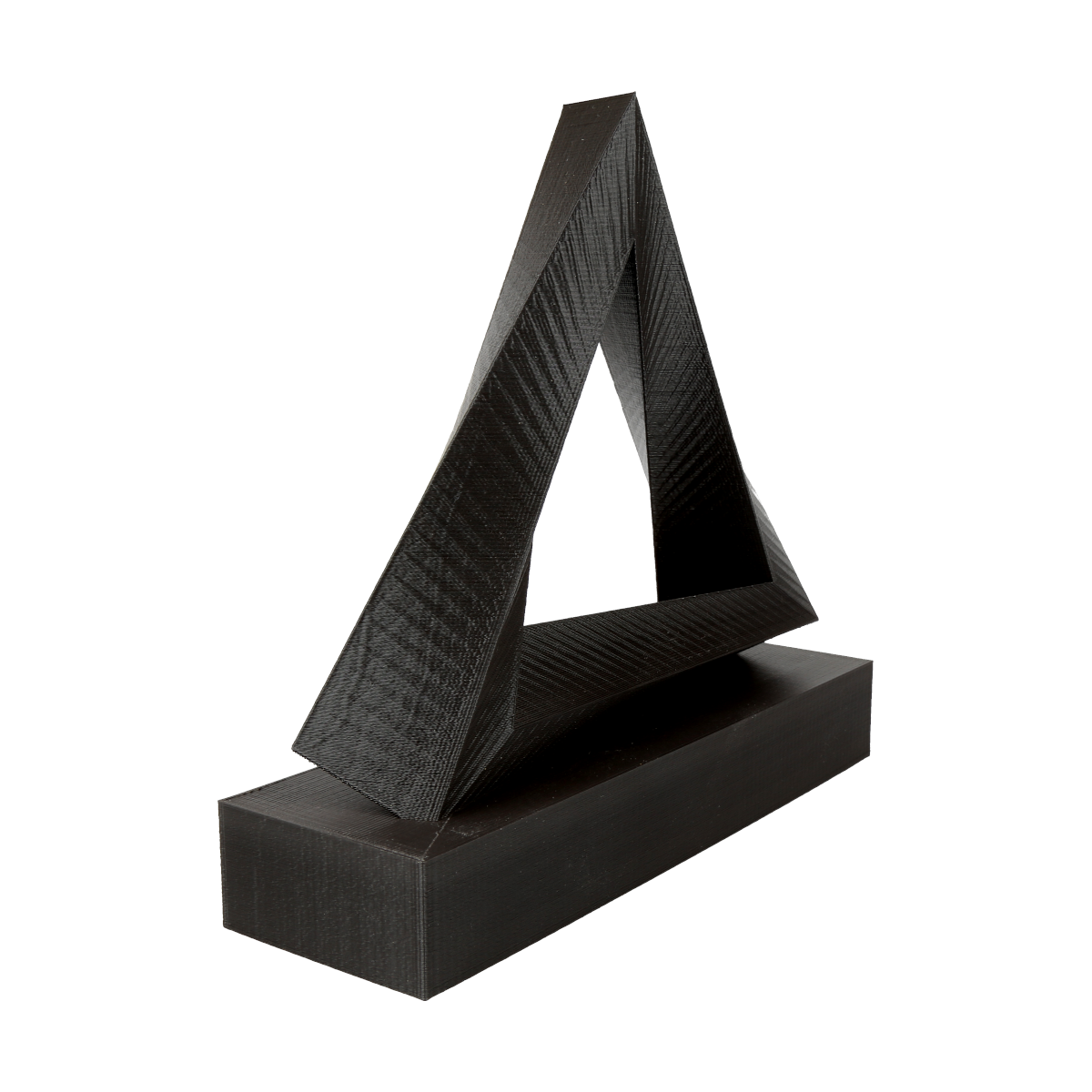
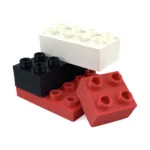
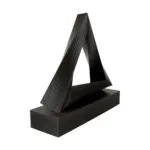
Models printed with ABS are characterized by high rigidity and durability, making them ideal for both prototyping and the production of final parts. The material is widely used in technical and engineering industries where the reliability and longevity of components are critical.
Fiberlogy’s ABS is a material that designers, engineers, and makers seeking a material for functional concept models, prototypes, and end-use parts will appreciate. Thanks to its resistance to operating conditions, this filament allows for the creation of parts that operate under higher loads and require high stability.
ABS Applications:
- prototypes of mechanical and structural components,
- parts requiring high stiffness and wear resistance,
- enclosures and functional components,
- concept and test models.
Fiberlogy ABS is a reliable 3D printing filament that combines durability, hardness, and mechanical strength. It is one of the key materials in any engineering workshop or makerspace.

Fiberlogy ABS received a positive evaluation in the Open Filament Program (OFP) project led by Raise3D: Download the report
-
High hardness
The material's high hardness ensures resistance to deformation and dents
-
High impact strength
The material absorbs impact energy without cracking or shattering.
-
Resistance to high temperatures and scratches
It maintains dimensional stability at elevated temperatures and does not undergo thermal deformation.
-
Capability for mechanical and chemical processing
The print can be machined, as well as glued, painted, or smoothed with solvent vapor.
Printing Parameters
- Printing temperature: 250–265°C
- Bed temperature: 100°C
- Bed material: Smooth PEI + adhesive; Textured PEI; Glass + adhesive
- Curing conditions: 60°C / 4 hours
- Enclosed chamber: recommended
- Airflow: 0–10%
Technical Specifications
- Density: 1.05 g/cm³
- Charpy impact strength (notched) @ 23°C: 18 kJ/m² (ISO 179)
- Vicat softening temperature: 97°C (ISO 306)
- Deflection temperature under load @ 1.8 MPa: 100°C (annealed) (ISO 75)
- Tensile strength at yield: 45 MPa (ISO 527)
- Tensile modulus of elasticity: 2300 MPa (ISO 527)
- Flexural strength: 68 MPa (ISO 178)
- Flexural modulus: 2,300 MPa (ISO 178)
- Elongation at break: 2.5% (ISO 527)
-
 White
White -
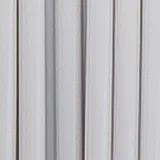 Gray
Gray -
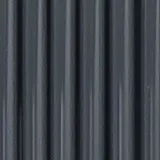 Graphite
 -
 Black
Black -
 Yellow
 -
 Vertigo
 -
 Red
Red -
 Orange
 -
 Onyx
Onyx -
 Navy Blue
 -
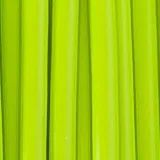 Light Green
 -
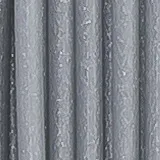 Inox
Inox -
 Green
Green -
 Burgundy
 -
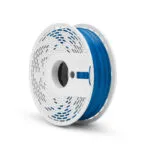
 Blue
Blue -
 Beige
Beige

Reviews
There are no reviews yet.